If life events have impacted your credit, second chance auto financing in Aiken SC can help you move forward with a dependable used vehicle and a plan to rebuild credit over time. This page explains how second chance financing works locally, what lenders consider beyond a score, the documents you will need, and how to compare real loan options for your budget. You will also find links to resources like market research for Aiken and neighboring counties, plus helpful guidance on down payments, co signers, and trade ins. Whether you are returning to the workforce, recovering from medical bills, or establishing credit for the first time, you can approach your next purchase with clarity and confidence. Explore the details below to learn how second chance programs evaluate stability, verify income, and report payments to help strengthen your credit profile in a practical way.
Second chance auto financing in Aiken SC focuses on your current stability and your plan going forward. Lenders look at income, residency, and budget fit, not only past credit. Use this guide to prepare documents, estimate payments, and compare loan features that can support steady credit rebuilding with a reliable used car.
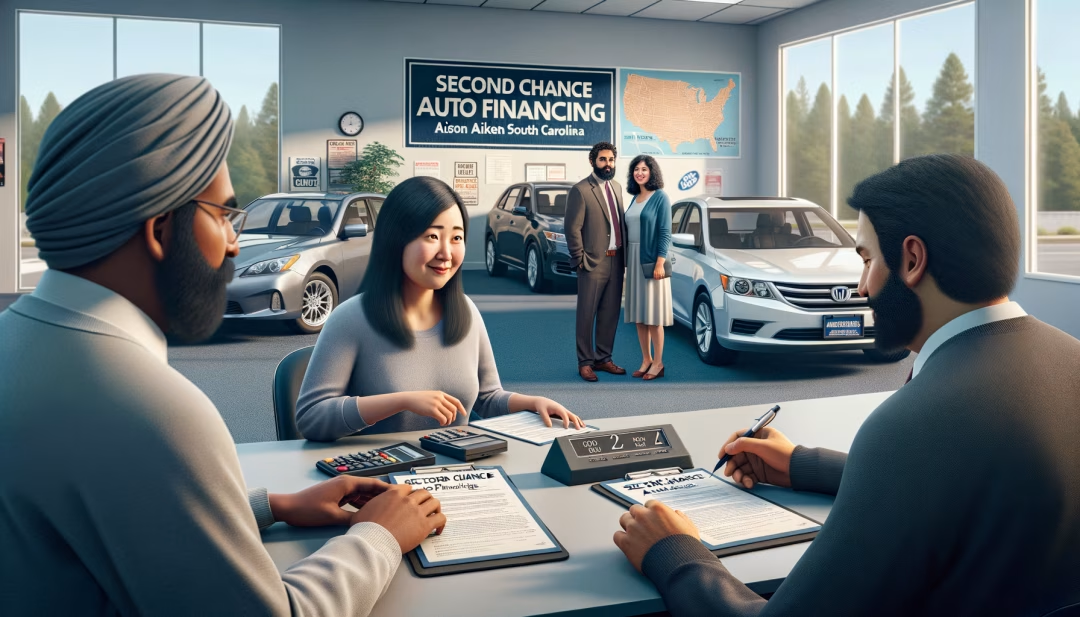
Second chance auto financing is designed for shoppers with challenged or thin credit histories who still need a safe, reliable vehicle. Rather than relying only on a credit score, lenders consider recent work history, income consistency, proof of residence, and your ability to handle a payment that fits your monthly budget. The focus is practical approval paired with a repayment plan you can manage. When the lender reports your on time payments to the major credit bureaus, the loan can help you rebuild credit while you drive a dependable used vehicle.
In and around Aiken, many lenders use a common sense approach. They want to see that your situation today is stronger than yesterday and that the vehicle and payment align with your income. Here are the typical factors they review.
Gathering documents before you shop can speed up approvals and help lenders present competitive options. While exact requirements can vary, plan for the following.
Second chance auto loans can look different from traditional prime loans, but the structure is straightforward. A down payment reduces the amount financed and can improve your approval odds. Interest rates reflect credit risk and the age or mileage of the vehicle. Terms usually range from 24 to 72 months, with the best choice being the shortest term that still fits your monthly budget. Consider adding a modest down payment from tax refunds or savings to reduce total interest costs and improve loan to value. If a co signer is available and willing, some lenders may use their stronger credit to help you secure a lower rate or better term, but many second chance programs do not require one when other stability factors are strong.
Selecting the right vehicle is a major part of second chance success. Look for a balance of price, mileage, condition, and ownership costs. A slightly newer, well maintained model with strong reliability ratings often reduces surprise expenses and protects your budget. Review service records when available and consider a pre purchase inspection if you want additional confidence. You can research current options in the used selection and compare recently sold vehicles to understand pricing trends and deal quality.
Useful pages for research include used inventory at used inventory and recently sold vehicles at sold inventory. Local insights are also available in county market research reports, including used car market research Aiken SC and surrounding areas such as used car market research Lexington SC and used car market research Richland SC.
On time payments are the single most important factor in rebuilding credit. Many second chance lenders report monthly to major credit bureaus, which allows your responsible payment history to improve your credit profile over time. Set payment reminders, schedule automatic payments when possible, and keep an emergency buffer for insurance, fuel, and minor repairs. If you encounter a short term setback, communicate with your lender early. Some may offer simple hardship extensions, and early outreach often helps preserve your positive payment history.
If you plan to trade a vehicle, compare your trade value and outstanding payoff to understand any negative equity. While some lenders allow negative equity to be rolled into a new loan, keeping the amount financed as low as possible sets you up for easier approval and a lower monthly payment. If there is no existing loan, bring the title or payoff details. An honest appraisal makes it easier to right size the deal and choose the best vehicle for your payment target.
A well planned second chance purchase looks beyond the monthly payment to total ownership cost. Confirm your insurance premium on the specific vehicle before you finalize. Ask about service plans or certified inspections that can limit out of pocket repairs for the term that matters most to you. If you drive many miles, consider a vehicle known for lower maintenance costs and strong parts availability. Simple, reliable models often create the best path to finishing the loan and graduating to stronger credit programs later.
Aiken shoppers have access to bank backed second chance loans, credit unions with flexible underwriting, and specialized finance companies that focus on credit rebuilding. When comparing offers, look at the annual percentage rate, total amount financed, any lender fees, and whether payments are reported to the bureaus. Favor programs with clear terms, easy online or in person payment options, and straightforward customer service. Transparent total cost and sensible approval criteria are the hallmarks of a strong program.
For many households, a great second chance outcome comes from careful budgeting. Build a realistic number that includes payment, insurance, fuel, routine maintenance, and a small emergency fund. Aim to keep total transportation costs within a reasonable percentage of your take home income. If you receive seasonal income like tax refunds, consider putting a portion toward principal reduction to shorten the term and lower total interest paid. Small, consistent steps can lead to meaningful progress by the end of the loan.
If you commute across county lines or compare inventory in nearby markets, it helps to understand pricing and availability regionally. Explore additional guidance and market perspectives at blog, learn more about the team at about us, and find general information at visitor agreement and privacy policy. For nearby county second chance resources, see second chance auto financing Lexington SC, second chance auto financing Richland SC, second chance auto financing Greenville SC, and second chance auto financing Charleston SC.
Explore inventory, learn more about the dealership, and review local market insights using the links below.